
News & Events
Watch our activity in one place
Lithuanian investors already lead on some key indicators

Although free economic zones (FEZs) in Lithuania were developed three decades ago primarily to attract foreign direct investment, recent years have seen growing activity and importance of Lithuanian businesses for the economies of both cities and the country as a whole. As the challenging geopolitical environment continues, Lithuanian investors are considered the most promising source of new investment for Klaipėda FEZ, at least in the near term.
More than 60% of new investments in Klaipėda FEZ last year were made by Lithuanian businesses. By comparison, five years ago Lithuanian companies accounted for only around one-fifth of new investments.
In terms of purchases from Lithuanian suppliers, Lithuanian-owned businesses accounted for 55% of the total €431 million procured by Klaipėda FEZ investors last year. This share has remained relatively stable throughout the decade, although a significant portion of it is consistently driven by one particularly large buyer of agricultural products.
In terms of personal income tax and social security contributions paid, Lithuanian businesses have consistently accounted for around one-third of the total Klaipėda FEZ figure in recent years, which reached €26.8 million last year.
On the other hand, the combined turnover of Lithuanian-owned companies in Klaipėda FEZ accounted for only around one-fifth of the total €1.19 billion generated last year. However, the majority of the overall figure is consistently driven by two particularly large plastics manufacturers.
Foreign-owned companies also remain the largest employers in Klaipėda FEZ, accounting for around 70% of all employees in the zone last year, although this share has declined somewhat over the past five years. In total, Klaipėda FEZ is home to investors from 17 countries around the world.
The figures above would be even more favourable to Lithuanian investors if joint ventures between Lithuanian and foreign investors were included in the Lithuanian-owned category. Some companies originally established with foreign capital but operating independently for more than a decade could also, at least informally, be considered partly Lithuanian.
“Looking objectively, Lithuanian capital investments are currently the most promising opportunity for us and for other free economic zones in Lithuania. Accordingly, for several years now we have been paying more attention to Lithuanian investors than we did in the past. We certainly have not forgotten about foreign investors – they continue to come and expand as well – but the geopolitical situation, rising costs and the growing maturity of Lithuanian businesses are increasingly making a difference,” says Eimantas Kiudulas, CEO of Klaipėda FEZ.
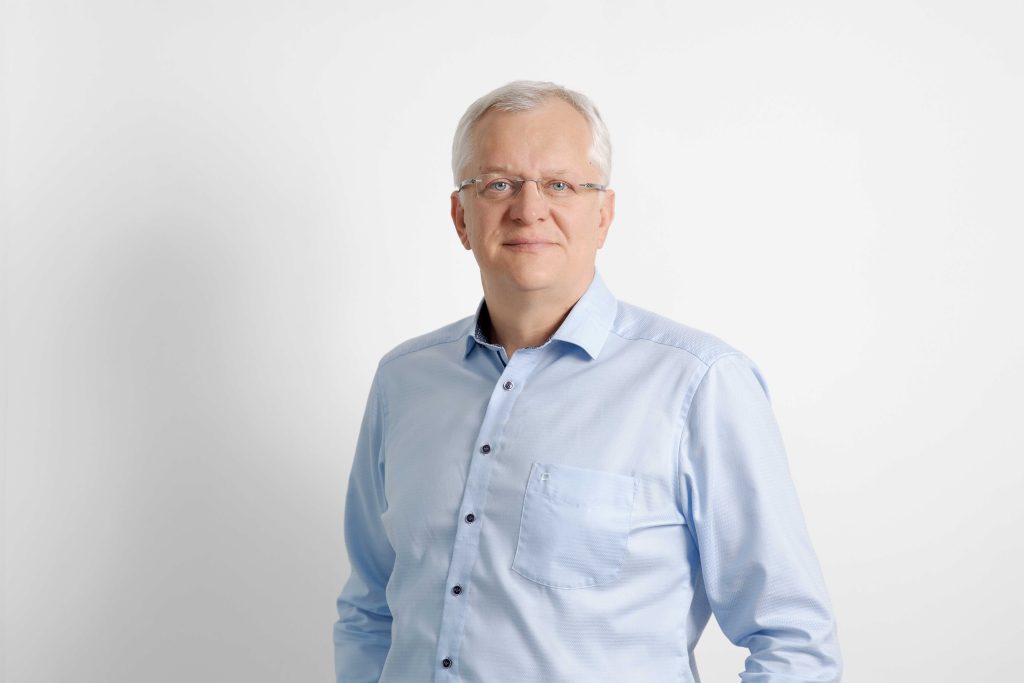
According to him, although the statistics can be distorted by one-off factors from year to year, and investment decisions and major manufacturing projects tend to have a certain degree of inertia, the broader trend of growing importance of Lithuanian investors is becoming increasingly clear, particularly since 2022. The picture is even more pronounced when looking at Klaipėda FEZ’s statistics on qualified enquiries and leads: last year, Lithuanian businesses accounted for around 40% of potential new investors.
“This trend is expected even without the geopolitical factors. Over the past decade, Lithuanian businesses have genuinely matured, grown, expanded and modernised. They are becoming increasingly confident about investing both in their home market and abroad. Their growing weight and scale have become particularly relevant in recent years, when Lithuanians have shown significantly greater confidence in Lithuania than foreign investors have,” says Eimantas Kiudulas.
He points out that Klaipėda FEZ has always been developed as a territory that is “neutral in terms of the investor’s country of origin”. In other words, foreign and Lithuanian investors meeting the relevant criteria have always been and continue to be eligible for the same corporate and real estate tax incentives. Subject to certain conditions and commitments, larger investors can also qualify for special municipal or national-level programmes, regardless of where their capital originates.
“Undeniably, foreign capital will remain highly important for a long time because of the expertise, technologies and diversity of products it brings. There are sectors and activities that Lithuania has never had, and when they emerge here, they can lay the foundations for new knowledge and high-value ecosystems. Neither we nor Lithuania can turn away from attracting foreign direct investment. However, we have to acknowledge a fact today: Lithuanian investors are more active, so we need to help them grow faster,” says the CEO of Klaipėda FEZ.
Why they chose Lithuania
For the newest Lithuanian investors to establish operations in Klaipėda FEZ, many of which export the majority of their production abroad, the home market remains attractive primarily because it offers “everything a business needs”.
Aromatic 89, a fragrance development and manufacturing company operating from a Klaipėda FEZ FlexStart building, was founded and grew in Klaipėda. Its founder and CEO Arnoldas Bružas says that even though exports now account for more than 50% of the company’s output, moving production closer to the end customer would not necessarily make business sense.
“However, we have no plans to move production to another country simply because our exports are growing. Today Lithuania has everything we need: a team, established processes and the ability to be close to production ourselves whenever improvements or changes need to be made. We are constantly developing new products and improving existing ones, so it is important for us to have product development and manufacturing located next to each other. Otherwise, decisions that we can make within a day or a few days today would take considerably longer,” says A. Bružas.
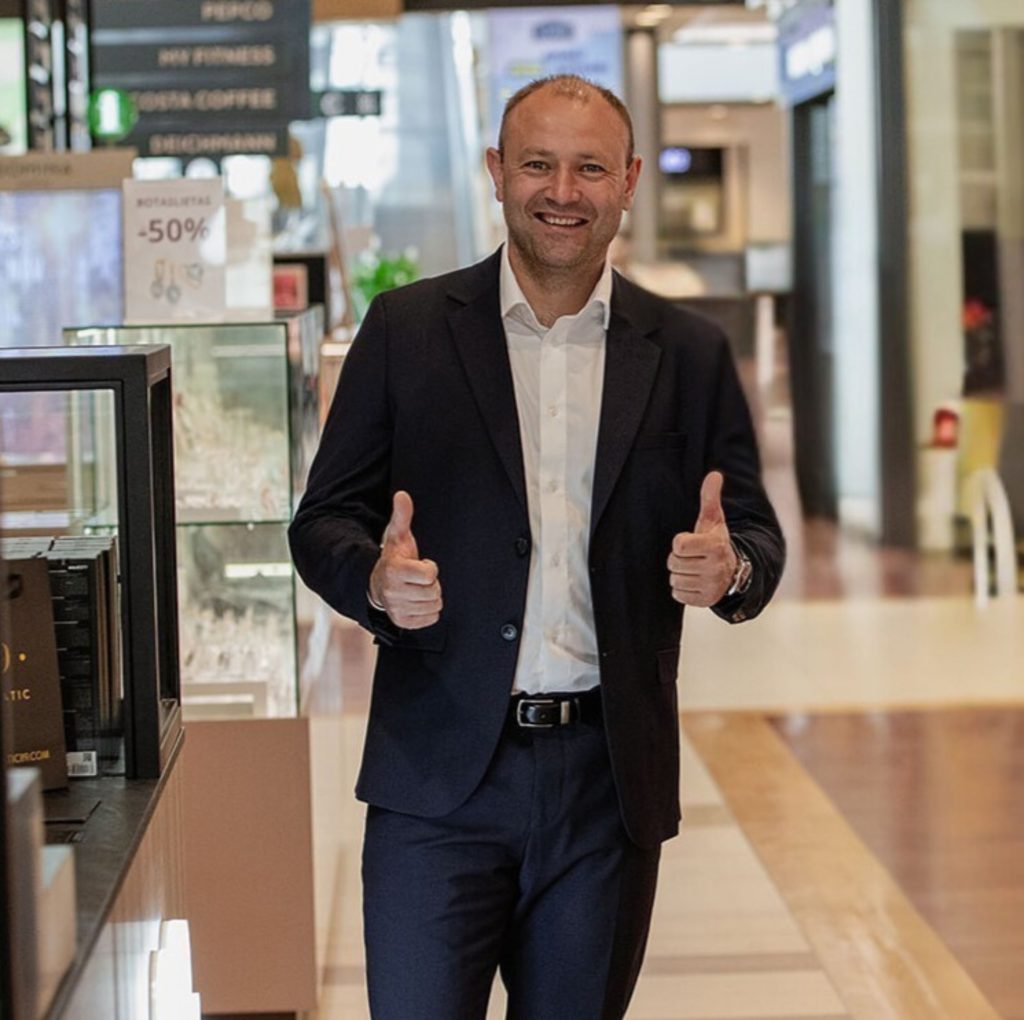
According to him, Lithuania is also convenient because of its geographical location and good access to the company’s key markets in the Baltics and Scandinavia, as well as Poland and Germany.
“At the moment, we do not see establishing a factory in one of our main export markets as providing a sufficiently significant advantage. In some markets, producing closer to the end customer could theoretically be beneficial from a logistics perspective, but the logistical or cost advantage alone does not currently outweigh what we have by manufacturing in Lithuania.
“We chose Klaipėda FEZ because we found what our growing manufacturing business needed most at the time: modern, production-ready premises, the ability to bring manufacturing, warehousing and logistics together in one location, and space for further expansion. It was also important that we did not have to build our own factory from scratch. This allowed us to implement the expansion much faster and start operations in the new premises,” says the head of Aromatic 89.
He also notes that the Klaipėda-based company wanted to remain in Klaipėda, meaning that other Lithuanian cities were considered only in theory. In Klaipėda FEZ, Aromatic 89 found infrastructure that meets not only its current needs but also those of its future growth.
Another company exporting the majority of its production from Klaipėda FEZ is Kovo ARMOR, a ballistic protection equipment manufacturer that established its operations here only last year. CEO Agnė Rakštytė says that, among other considerations, the decision to establish the business in Lithuania was driven by the opportunity to contribute to the development of the country’s defence ecosystem.
“Essentially, our business fills a gap in the region. There is currently no local manufacturing of these products, while regional supply is important for ensuring the security of supply chains. We chose Klaipėda FEZ because of the suitable premises that were already built and equipped, as well as tax and other considerations,” says A. Rakštytė.

Foreign investors remain active
New foreign investors continue to make their mark in Klaipėda FEZ as well. Last year, German manufacturer HAWE Hydraulik, specialising in mechatronics and hydraulic products and systems, started operations in FlexStart 03, a building developed by the Klaipėda FEZ management company.
Portuguese IMG Group company Evertis is also continuing its investment programme, planning to build a €30 million sustainable PET film manufacturing facility in Klaipėda FEZ.
Among the most significant new Lithuanian investors in Klaipėda FEZ over the past year are Kautra, which is developing infrastructure for its Klaipėda electric bus fleet, automotive parts retailer Autoaibė, fragrance manufacturer Aromatic 89, and the Klaipėdos duona group, which is planning a new manufacturing facility.
Regardless of the country of origin of investors’ capital, the Klaipėda FEZ area is also considered strategically important by the city municipality. This year alone, the municipality is implementing around €3.2 million worth of infrastructure projects in the zone, including the development of streets, roads and electricity networks.